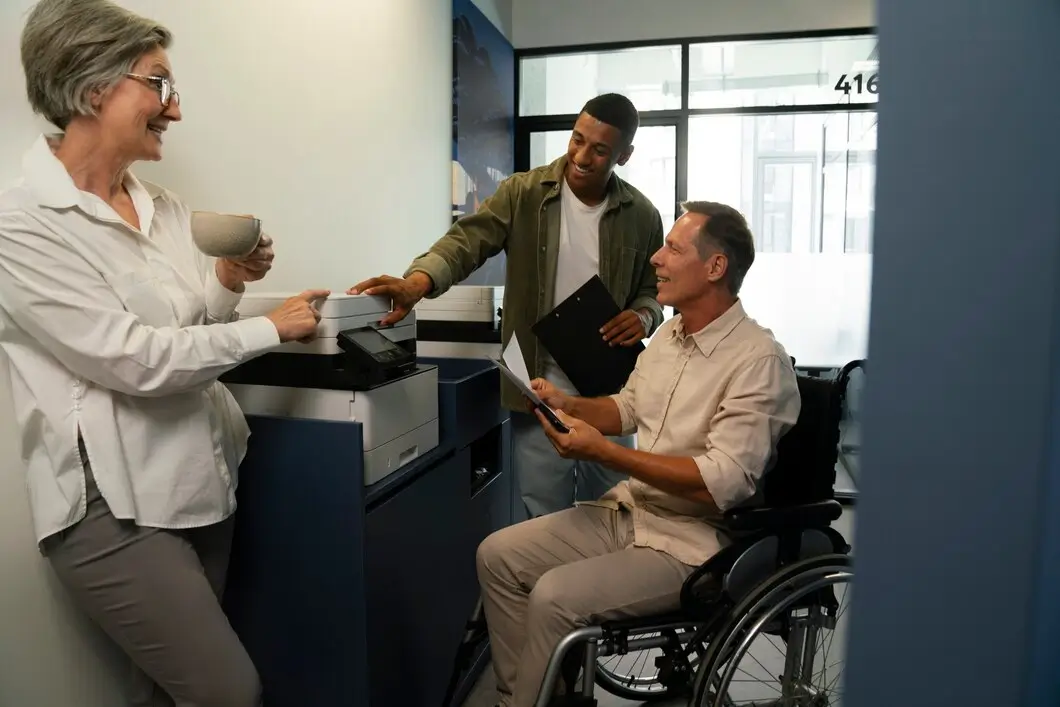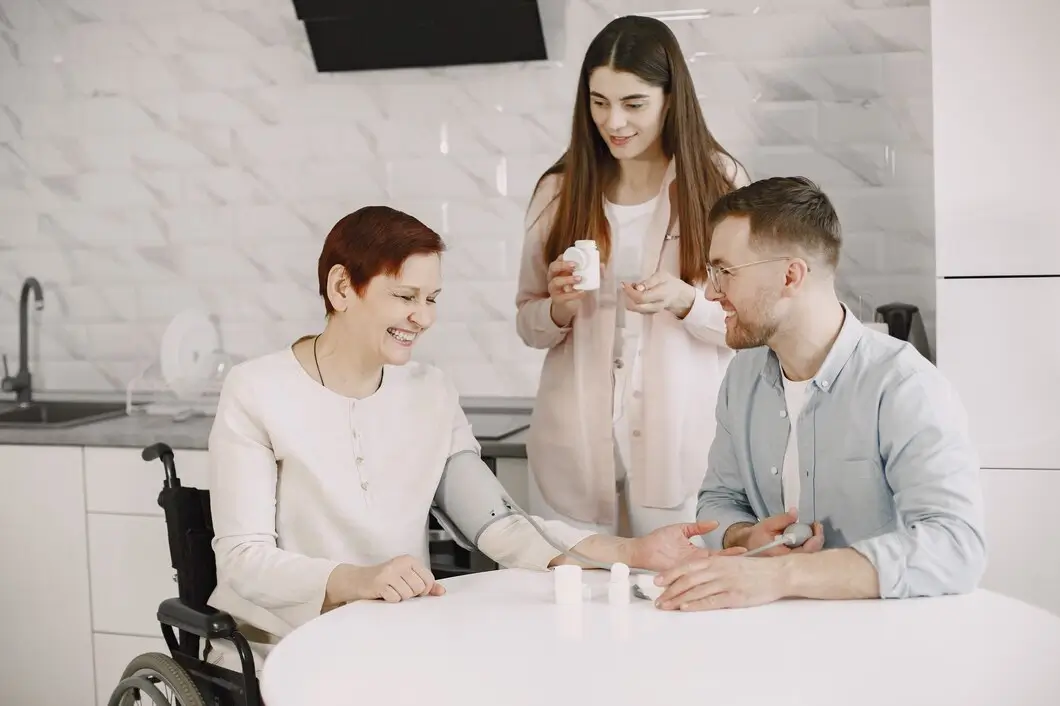
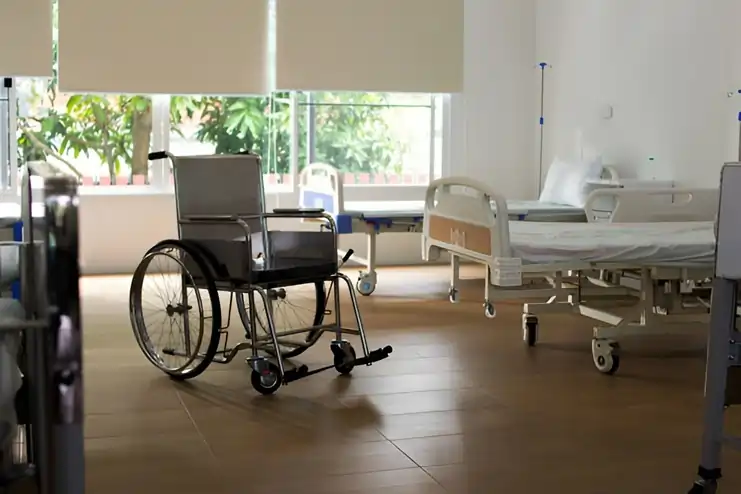
Specialist Disability Accommodation (SDA) plays a critical role in supporting individuals with high support needs, offering housing that is purpose-built for safety, independence, and dignity. At Prime 1 Care, SDA is approached with a clear focus on quality living, where design, care, and accessibility work together to improve everyday life for participants across Australia.
Key Takeaways for SDA Housing in Australia
- SDA supports individuals with high functional needs
- Design directly impacts independence and safety
- NDIS funding determines eligibility and housing type
- Location and support access are equally important
- Professional guidance ensures better outcomes
What Is Specialist Disability Accommodation (SDA) Housing?
SDA housing refers to specially designed homes for individuals with significant disabilities. These properties are built or modified to include features that allow residents to live more independently while receiving the support they need.
Unlike standard housing, SDA focuses on accessibility, durability, and functionality. It’s not just about having a roof over your head, it’s about creating a living environment that supports everyday activities.
Key features of SDA housing include:
- Wheelchair accessibility throughout the property
- Reinforced structures for safety and durability
- Smart home technology for easier control of lighting, doors, and appliances
- Accessible bathrooms and kitchens
- Space for carers or support workers
How SDA Fits Within the NDIS
SDA is funded under the NDIS for eligible participants who require specialised housing solutions. It’s important to understand that SDA funding covers the cost of the physical home, not the support services provided inside it.
Participants may also receive Supported Independent Living (SIL) funding, which covers daily personal support.
Key points about SDA funding:
- Only a small percentage of NDIS participants qualify for SDA
- Funding is paid to housing providers, not directly to participants
- Participants contribute a reasonable rent and utilities
- SDA is designed for long-term housing solutions
Types of SDA Housing in Australia
SDA homes are categorised into different design types based on the level of support required. Each category ensures that the property matches the participant’s needs.
The four main SDA design categories are:
1. Improved Liveability
- Designed for people with sensory, intellectual, or cognitive impairments
- Includes features like improved lighting and wayfinding
2. Fully Accessible
- Suitable for individuals with significant physical disabilities
- Provides step-free access, wider doorways, and accessible amenities
3. High Physical Support
- Built for participants with very high support needs
- Includes ceiling hoists, emergency backup power, and advanced assistive technology
4. Robust Housing
- Designed for people who may exhibit complex behaviours
- Features durable materials and layouts that reduce risk
Benefits of SDA Housing
SDA housing offers a wide range of benefits of living in an SDA home for participants and their families. It’s about more than accessibility, it’s about improving overall wellbeing.
Some of the key advantages include:
- Greater independence in daily living
- Improved safety and reduced risk of injury
- Access to modern, purpose-built homes
- Opportunities for social interaction and community inclusion
- Reduced pressure on families and carers
For many participants, moving into SDA housing can be life-changing.
Who Is Eligible for SDA?
Not everyone in the NDIS qualifies for SDA. Eligibility is based on strict criteria to ensure that funding is allocated to those who need it most.
Participants must:
- Have extreme functional impairment or very high support needs
- Require specialised housing solutions that standard homes cannot provide
- Demonstrate that SDA will significantly improve their outcomes
The assessment process involves detailed evaluations and supporting evidence from healthcare professionals.
SDA Housing Options and Living Arrangements
SDA housing isn’t one-size-fits-all. There are different living arrangements to suit individual preferences and needs.
Common options include:
- Shared housing with other participants
- Individual apartments or villas
- Group homes with on-site support
- Co-located housing within communities
Participants can choose the arrangement that best fits their lifestyle, level of independence, and social preferences.
The Role of SDA Providers
SDA providers are responsible for developing, managing, and maintaining SDA properties. They work closely with participants, families, and support coordinators.
Responsibilities of SDA providers include:
- Designing and constructing compliant homes
- Ensuring properties meet NDIS standards
- Managing tenancy agreements
- Maintaining the property over time
Choosing the right provider is crucial for a positive living experience.
SDA as an Investment Opportunity
SDA housing has also gained attention as a unique property investment opportunity in Australia. Due to strong demand and government-backed funding, it can offer attractive returns.
However, it’s not without risks, and investors should approach it carefully.
Potential benefits for investors:
- Higher rental yields compared to traditional property
- Long-term government-backed income streams
- Growing demand due to housing shortages
Things to consider:
- High upfront construction costs
- Strict compliance requirements
- Vacancy risks if not matched with participants
- Need for specialised property management
Working with experienced professionals is essential when entering the SDA market.
Design Considerations for SDA Homes
Design is at the heart of SDA housing. Every detail must support accessibility, comfort, and safety.
Important design elements include:
- Step-free entry and wide hallways
- Accessible kitchens with adjustable benchtops
- Bathrooms designed for mobility aids
- Emergency systems and backup power
- Soundproofing and durable materials
The goal is to create a home that feels comfortable while meeting complex needs.
Challenges in the SDA Sector
While SDA housing offers many benefits, there are still challenges within the sector.
Some common issues include:
- Limited availability in certain regions
- Complex approval and funding processes
- Matching participants with suitable properties
- Navigating NDIS regulations
Addressing these challenges requires ongoing collaboration between government, providers, and the community.
Tips for Participants and Families
If you’re considering SDA housing, it’s important to be well-prepared and informed.
Helpful tips include:
- Work closely with a support coordinator
- Understand your NDIS plan and funding
- Visit multiple properties before making a decision
- Ask questions about design features and support services
- Consider long-term needs and future changes
Taking the time to research and plan can make a significant difference.
The Future of SDA Housing in Australia
The demand for SDA housing is expected to grow as awareness increases and more participants seek suitable living arrangements. Innovation in design and technology will continue to improve the quality of these homes.
Future trends may include:
- Greater use of smart home technology
- More community-integrated developments
- Increased focus on sustainability
- Expansion into regional and rural areas
As the sector evolves, SDA housing will play an increasingly important role in supporting Australians with disabilities.
Choosing the Right SDA Provider
Selecting the right provider can influence long-term comfort and stability.
What to look for
- Experience with SDA housing
- Strong understanding of NDIS requirements
- Transparent communication
- Ongoing support services
Prime 1 Care ensures participants are matched with housing that suits both clinical and lifestyle needs.
How Prime 1 Care Supports SDA Participants
Navigating SDA can feel complex. That is where structured support becomes valuable.
At Prime 1 Care, the focus remains on aligning housing solutions with participant needs.
Services include:
- Assistance with specialist disability accommodation (SDA) eligibility and planning
- Connecting participants with suitable housing providers
- Ongoing support coordination
Conclusion
SDA housing is more than infrastructure, it shapes how individuals live, move, and engage with the world around them. When carefully designed and selected, it creates stability, independence, and confidence in everyday life. If you are exploring Specialist Disability Accommodation, Prime 1 Care offers the guidance and support needed to make informed decisions. Connect with us today and take the next step towards suitable housing.
FAQs:
What does SDA housing include?
SDA includes specially designed homes with accessibility features for individuals with high support needs.
Who qualifies for SDA under NDIS?
Participants with extreme functional impairment or very high support needs may qualify.
Can I choose where I live with SDA funding?
Yes, participants have choice and control, though availability may vary by location.
What is the difference between SDA and SIL?
SDA covers housing, while SIL covers personal support services.
Do SDA homes include support staff?
Not always. Support staff are usually part of SIL services, not SDA housing.
How long does it take to get SDA approval?
Approval timelines vary depending on assessments and NDIS planning processes.